

Digital Cameras >
Mirrorless
- 64 itemsFilters
Brand
-
21
-
16
-
27
Availability
-
42
-
62
-
64
Lens Mount
-
4
-
14
-
16
-
23
Camera Format
-
37
-
21
Recording Modes
-
1
-
27
Pixels
-
8
-
7
-
7
-
19
-
4
-
5
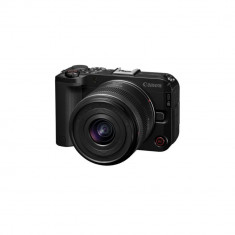
Canon EOS R50 V Mirrorless Camera with Canon RF-S 14-30mm Lens
SKU #110476 Model 6895C002Key Features
- For Content Creators and Vloggers
- 24.2MP APS-C CMOS Sensor
- DIGIC X Image Processor
- UHD 4K60p Cropped, 4K30 6K Oversampled
Rs269,900.00
Out Of Stock

Nikon Z5 II Mirrorless Camera
SKU #110475 Model 1680Key Features
- 24.5MP FX-Format CMOS Sensor
- EXPEED 7 Image Processor
- ISO 100-64000, Up to 30 fps Shooting
- UHD 4K and Full HD Video Recording
Rs489,500.00
Out Of Stock

Sony FX2 Digital Cinema Camera with Free Sony Microphone ECM B-10
SKU #000979 Model ILME-FX2BKey Features
- 33MP Full-Frame CMOS Exmor R Sensor
- 4K up to 60 fps | 1080p up to 120 fps
- 33MP Stills in S-Log3 at 800/4000 ISO
- AI-Powered Auto Focus & Framing
Rs899,500.00
Out Of Stock
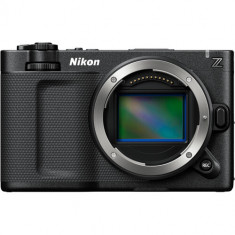
Nikon ZR 6K Cinema Camera
SKU #110653 Model 2006Key Features
- Fusion of RED + Nikon Cinema Technology
- 6K Full-Frame Z-Mount Cinema Camera
- REDCODE RAW (R3D NE) + N-RAW Recording
- ProRes RAW/HQ, H.265/H.264 Codecs
Rs615,500.00
Rs. 659,500.00
You save
Rs 44,000
Out Of Stock
Mirrorless
A mirrorless camera is a digital interchangeable lens camera. Unlike a DLSR, a mirrorless camera lacks a swinging mirror and optical viewfinder. Instead, the light passing through the lens hits the sensor directly, transmits the preview image to an electronic viewfinder (EVF) or the main LCD screen. This allows for mirrorless cameras to be significantly smaller and lighter than DLSRs, among other things.
Mirrorless Cameras
1) What is a mirrorless camera?
A mirrorless camera is a digital interchangeable lens camera. Unlike a DLSR, a mirrorless camera lacks a swinging mirror and optical viewfinder. Instead, the light passing through the lens hits the sensor directly, transmits the preview image to an electronic viewfinder (EVF) or the main LCD screen. This allows for mirrorless cameras to be significantly smaller and lighter than DLSRs, among other things.
2) What does ISO mean?
Photographically, ISO stands for the level of sensitivity the camera’s sensor has to light. The higher the ISO number, the more sensitive the sensor and the brighter the image. ISO is an adjustable setting and reaches much higher than it ever did. However, very high ISO settings can sometimes cause grain or “noise” in the image.
When a camera is said to be “very good in low light” it means that there is little to no noise in the higher ISO values.
3) What is a megapixel?
A camera’s sensor is comprised of millions of individual pixels (for “picture element”). Each pixel works individually to capture a tiny amount of light and color, which then gets combined to form the final image. One million of these pixels equals one megapixel. The number of megapixels determines the resolution of the image, and in turn how large the image can be printed or how much it can be cropped. The more megapixels, the larger your prints can be.
Generated on : 2026-08-30 02:01:17