Camera Price in Sri Lanka: A Practical Buyer’s Guide
If you are comparing camera price in Sri Lanka, the most useful question is not simply “Which model is cheapest?” A camera purchase is a system decision. The body, lens, battery, memory card, microphone, tripod, bag, storage and after-sales support can change the real cost by tens or even hundreds of thousands of rupees. From my experience comparing camera kits for actual work, a balanced setup normally gives better long-term value than putting nearly the entire budget into the body and discovering later that the lens, card or power setup is not suitable.
Featured Definition: What determines camera price in Sri Lanka?
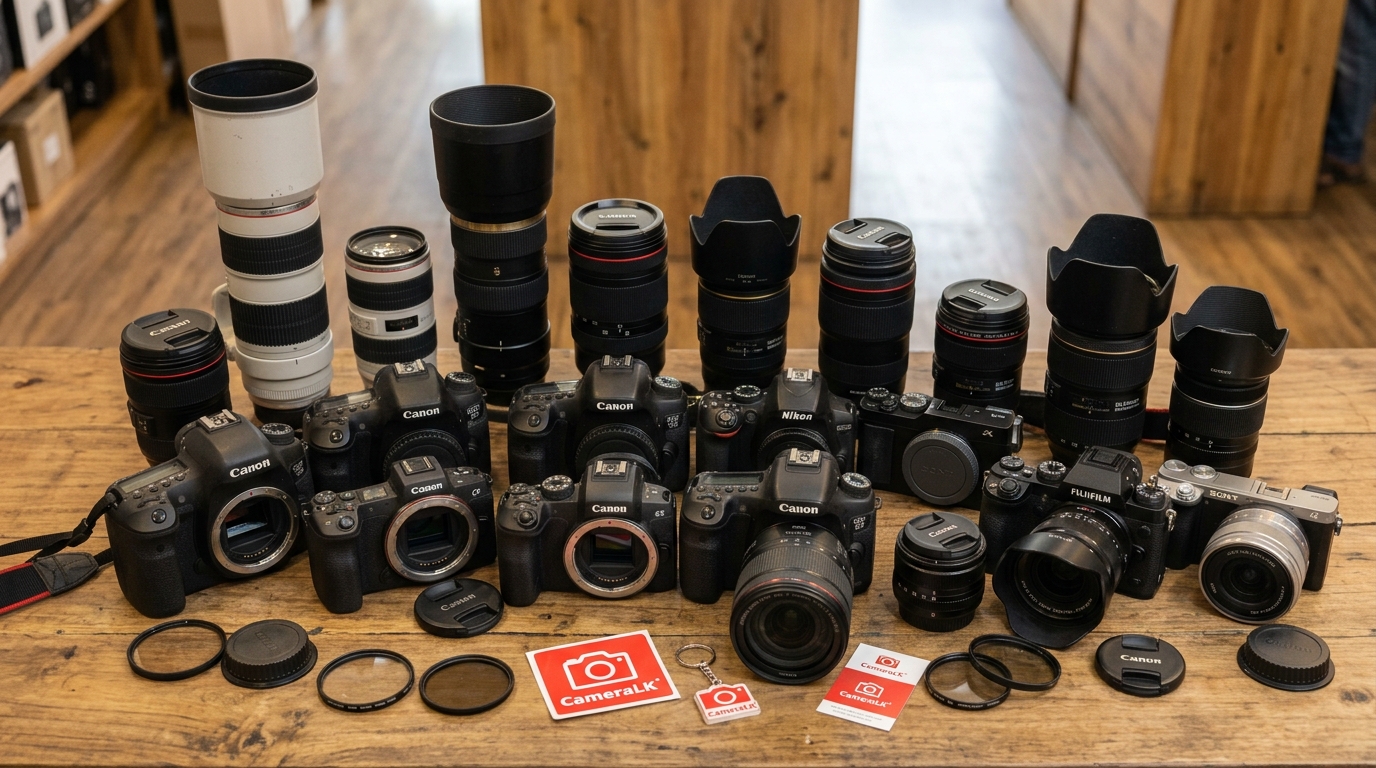
Camera price in Sri Lanka depends on camera type, sensor size, lens bundle, brand, current stock, exchange-rate conditions, promotions, warranty coverage and included accessories. The most accurate comparison uses the total usable kit cost—not only the camera-body price—because lenses, cards, batteries and support equipment can materially change the final budget.
Table of Contents
1. Why camera prices vary in Sri Lanka
2. Current price examples and how to read them
3. Camera categories and typical value differences
4. Body-only versus kit pricing
5. How lenses affect the real purchase cost
6. Memory cards, batteries and accessories
7. Online buying versus showroom buying
8. Warranty, returns and service support
9. Sri Lankan climate and storage costs
10. A camera-budget comparison table
11. A 12-step buying checklist
12. People Also Ask
13. Expert Q&A
14. Conclusion
Why Camera Price in Sri Lanka Varies So Much
Two cameras can look similar on a product page yet sit in very different price classes. The biggest reason is that “camera” covers everything from fixed-lens travel models to professional full-frame mirrorless bodies and cinema-oriented systems. Sensor size, autofocus, processing power, video formats, build quality, stabilization, viewfinder quality and connectivity all influence cost.
However, the Sri Lankan retail environment adds another layer. Import costs, currency movements, shipment timing, manufacturer promotions and local stock levels can all affect the displayed rupee price. Therefore, a current price should be treated as a snapshot, not a permanent benchmark. Before paying, verify the exact model, style or bundle because a body-only listing can be materially cheaper than a kit that includes a lens, memory card, bag or cleaning accessories.
At the time of this article, CameraLK’s live listings illustrate the spread clearly. The Canon EOS 2000D DSLR kit with an 18-55mm lens is listed around Rs.137,500, while the Nikon COOLPIX P1100 digital camera is around Rs.325,500. Mirrorless choices span from creator-focused APS-C models such as the Sony ZV-E10 at about Rs.229,500 to full-frame bodies that cost substantially more. These figures can change, so use them only as current examples and re-check the live page before purchase.
For current categories and live availability, start with the CameraLK camera and photography range and compare the exact configuration you intend to buy.
Camera Categories: Where Your Money Actually Goes
Compact and bridge cameras
A fixed-lens camera can offer strong value when you need convenience and a wide zoom range without building a lens collection. Bridge cameras such as the Nikon COOLPIX P1100 place a very long zoom into one integrated body. That can be attractive for travel, wildlife observation and distant subjects. The trade-off is that you cannot swap lenses later, so the purchase decision depends heavily on whether the built-in focal-length range suits your work.
Entry-level DSLR cameras
DSLRs remain relevant when budget matters, particularly for still photography. An entry DSLR kit often includes a basic zoom lens, making the entry cost easy to understand. The optical viewfinder, familiar controls and access to a large used-lens ecosystem can be advantages. On the other hand, a buyer starting from zero should consider how much future development is still happening in that mount compared with newer mirrorless systems.
APS-C mirrorless cameras
APS-C mirrorless models are popular because they combine relatively compact bodies, interchangeable lenses, modern autofocus and strong video features. They are frequently a sweet spot for students, travel shooters, content creators and small production teams. The body may cost more than a basic DSLR, but the modern feature set can reduce the need for an early upgrade.
Full-frame mirrorless cameras
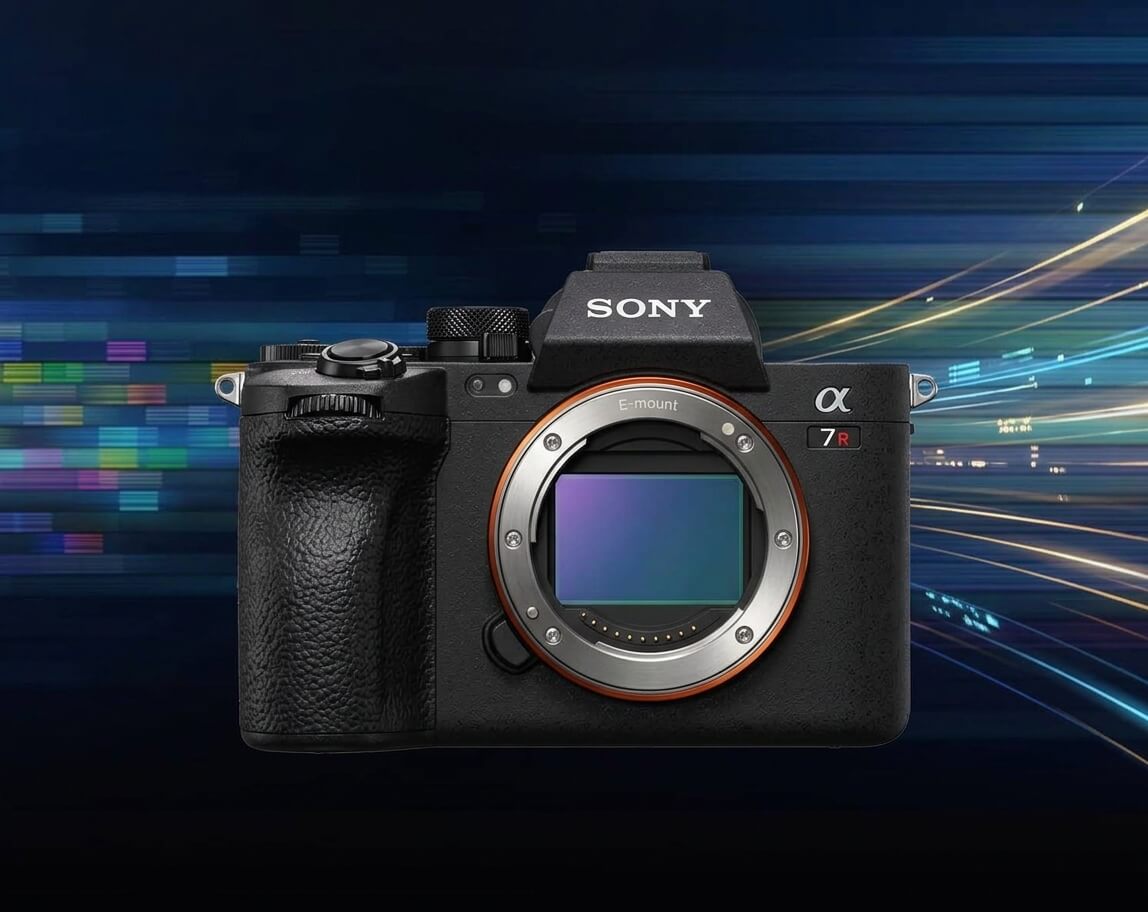
Full-frame systems generally cost more because the sensor is larger and the bodies often include stronger processors, advanced autofocus, better weather sealing, more robust controls or professional video functions. More importantly, compatible full-frame lenses can be expensive. A full-frame purchase therefore needs a system-level budget rather than a body-only budget.
Cinema and production cameras
Cinema cameras are designed around video workflows. They may support advanced codecs, timecode, professional audio interfaces, long recording sessions, cooling systems and rigging. Their body price can already be high, but the true production cost may include cages, monitors, media, batteries, external recorders and professional lenses.
Camera Price in Sri Lanka: Quick System Comparison
| Category | Best suited to | Typical cost pattern | Hidden cost to check | Upgrade flexibility |Compact / bridge | Travel, family, long zoom | One main purchase | Spare battery, card, case | Low because lens is fixed | Entry DSLR | Learning photography, stills | Often sold as lens kit | Extra lenses, battery, bag | Medium within existing mount | APS-C mirrorless | Hybrid photo/video, creators | Mid-range body plus lenses | Fast lens, microphone, cards | Full-frame mirrorless | Events, commercial work, advanced hybrid use | Higher body and lens cost | Full-frame lenses, storage, batteries | Cinema camera | Professional video production | High body and rig cost | Media, cage, monitor, audio, power | High but workflow-specific |
This table is not a ranking. Instead, it shows why a lower body price does not always mean a lower system price. A fixed-lens camera may be expensive for its body size but can eliminate future lens spending. By contrast, an affordable mirrorless body can become costly once you add two professional lenses.
Body-Only vs Kit Pricing: Read the Listing Carefully
One of the easiest ways to misread camera price in Sri Lanka is to compare a body-only listing with a lens kit. A body-only camera includes no usable lens unless you already own compatible glass. A kit generally adds a standard zoom, and some retailer bundles may include a bag, memory card, tripod or cleaning kit.
Before deciding that one shop or model is cheaper, compare the exact contents:
1. Camera body model and color.
2. Lens model and focal length.
3. Genuine battery and charger.
4. Memory card brand, capacity and speed class.
5. Bag or case quality.
6. Tripod or support specification.
7. Warranty terms.
8. Whether the item is in stock, pre-order or back order.
A cheap bundle is only valuable when the included items are useful. For example, a slow memory card may be fine for still photography but unsuitable for a high-bitrate 4K recording mode. Similarly, a lightweight tripod can be convenient for travel but inappropriate for a heavy telephoto setup.
Why Lenses Can Cost as Much as the Camera
A lens affects focal length, aperture, depth of field, focusing behavior and much of the practical look of your images. For many photographers, lenses remain useful across several camera-body upgrades. That makes lens planning one of the most important parts of a camera budget.
A standard zoom is often enough for travel, family events and general use. Portrait shooters may add a 50mm or 85mm prime. Wildlife photographers can require long telephoto lenses that may cost more than the camera body. Interior and architecture photographers often need wide-angle lenses. Macro photographers need close-focusing capability and, in some cases, specialized lighting.
The critical point is compatibility. Sony E, Canon RF, Nikon Z, Fujifilm X and other mounts are different systems. A bargain lens for the wrong mount is not a bargain. Adapters can sometimes connect older lenses to newer bodies, but they add cost and may affect handling or certain functions.
Memory Cards: Capacity Is Only Half the Story
Many people compare 64GB, 128GB and 256GB capacities and forget write speed. Modern cameras can produce high-resolution bursts and high-bitrate 4K video. Some modes need cards that can sustain a minimum write speed for the entire recording.
The official SD Association Speed Class guide explains labels such as V30, V60 and V90, which indicate sustained video write-speed categories. Therefore, check your camera manual and chosen recording mode before buying media. Buying the cheapest card can limit what the camera can do, while buying an extreme high-speed card can be unnecessary if your workflow never uses demanding modes.
Power Costs: One Battery Is Rarely the Whole Plan
Battery requirements differ sharply between camera types. A casual user may be comfortable charging one battery between outings. A wedding photographer, wildlife shooter or videographer needs redundancy. Continuous autofocus, stabilization, high frame rates, 4K video and bright displays can drain power quickly.
When comparing camera price in Sri Lanka, add at least one spare battery to your spreadsheet if you plan serious event or production work. Also check whether the camera supports USB charging or USB-C power. For video, external power options can reduce interruptions, but they add cables and accessories.
Do You Need a Tripod, Gimbal or Microphone?
Accessories should solve a real problem. A tripod helps with long exposures, product work, landscapes and locked-off video. A gimbal helps create smooth moving shots. A microphone improves spoken audio. A small LED light helps when the scene is too dark. None of these tools replaces the others.
This is where beginners sometimes overspend. They buy a gimbal before they know whether handheld footage is actually a problem, or they buy a large light kit while still recording poor audio. Priorities the bottleneck in your own work.
Online Buying vs Visiting a Showroom
Online shopping is efficient when you know the exact model, lens mount and bundle. It also makes price comparison easier because you can review specifications and calculate total cost at your own pace. A showroom is better when ergonomics matter. Grip size, viewfinder comfort, menu layout and lens balance are difficult to judge from specifications alone.
For expensive cameras, I recommend handling the body if possible before committing. A technically excellent camera can still be the wrong fit if the grip is uncomfortable for your hands or the lens makes the setup front-heavy.
CameraLK currently lists physical branches in Colombo, Majestic City, Kandy, Jaffna, Batticaloa and Tissamaharama. Branch stock can differ, so confirm availability before travelling for a specific model.
Warranty, Returns and Service Support
Price matters, but support matters more when your camera earns income. Before paying, read the current warranty, returns, exchange and delivery policies. Keep the invoice, serial number, packaging where practical and any warranty documents.
Sri Lankan buyers can also consult the Consumer Affairs Authority of Sri Lanka for official consumer information. This article is general purchasing guidance, not legal advice. If you have a dispute or need to understand a formal consumer process, check the current official rules and procedures.
A professional should also ask what happens after the warranty period. A camera that saves Rs.10,000 upfront but takes weeks to service during a busy season may create a much larger business cost.
Sri Lankan Climate: Budget for Storage and Protection
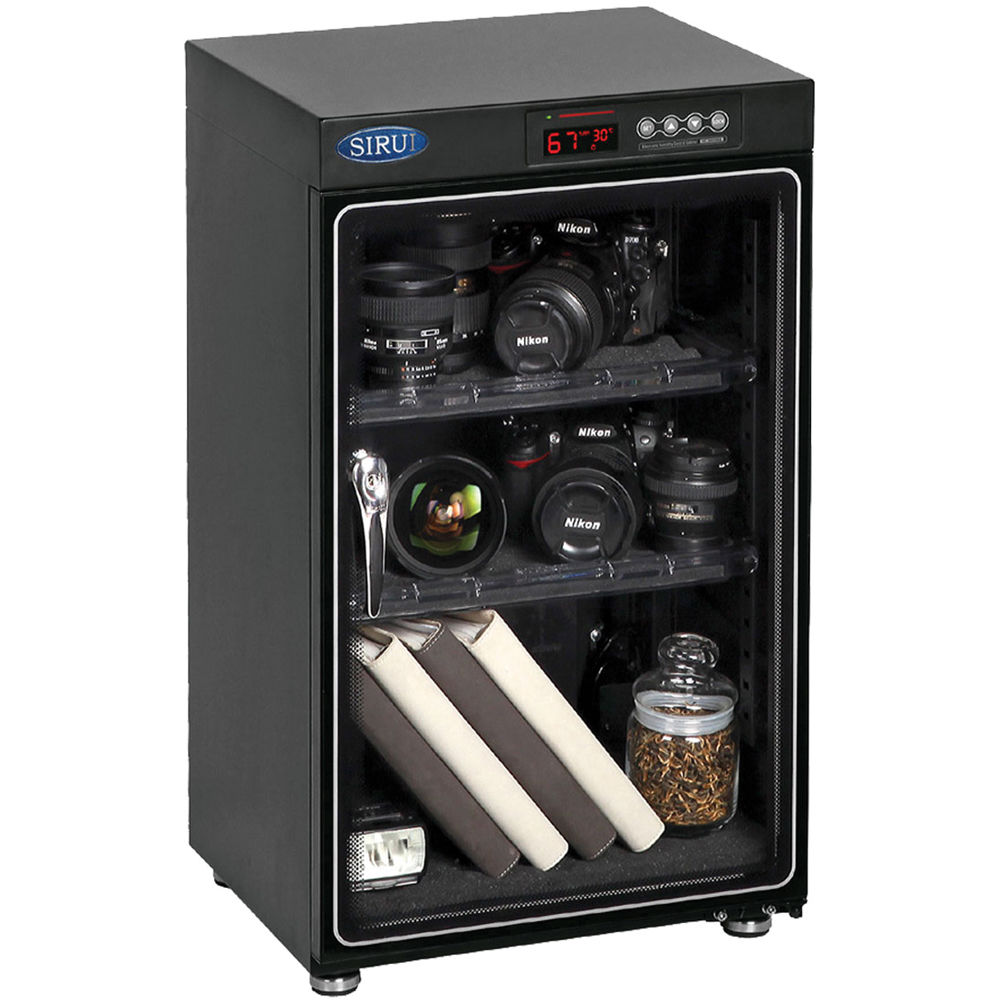
Humidity is an important local consideration. Camera bodies, lenses and electronic accessories should be stored clean and dry. Photographers who own multiple lenses or valuable gear often use a dry cabinet to manage storage conditions. However, a cabinet is not a substitute for sensible handling.
After rain, coastal work or very humid outdoor shooting, wipe the exterior and allow moisture to dissipate safely before long-term storage. Keep camera bags clean because a damp bag can bring moisture, dust and salt residue back into your equipment.
How to Build a Realistic Camera Budget
Instead of starting with a camera model, start with an outcome. Suppose your goal is to film YouTube interviews. Your list might be camera, suitable lens, microphone, tripod, two batteries, memory card and basic light. A more expensive body with no audio solution may produce a worse overall result than a less expensive body with good sound and lighting.
For wildlife, the priority changes. The telephoto lens can dominate the budget. For travel, weight and portability become important. For weddings, redundancy and low-light performance matter. For product photography, lighting may create a bigger improvement than upgrading the body.
A simple allocation worksheet can prevent overspending:
Camera body: ______
Primary lens: ______
Secondary lens if essential: ______
Memory cards: ______
Spare battery/power: ______
Bag/protection: ______
Audio: ______
Tripod/gimbal: ______
Lighting: ______
Dry storage: ______
Contingency: ______
Total usable system cost: ______
Do not force every category into the budget. Use only what your work genuinely needs.
A 12-Step Camera Buying Checklist for Sri Lanka
1. Define the main subject you will shoot.
2. Decide whether photography, video or hybrid use is the priority.
3. Set a maximum total system budget.
4. Choose compact, DSLR, mirrorless or cinema based on workflow.
5. Compare sensor size only after deciding what you need from it.
6. Check the lens mount and price the main lens before buying the body.
7. Confirm the memory-card requirement for your recording modes.
8. Add at least one realistic power solution.
9. Price the bag, tripod, microphone or light only if needed.
10. Read current warranty, return and delivery information.
11. Confirm live stock and exact bundle contents before payment.
12. Keep invoices, serial numbers and warranty records after purchase.
People Also Ask About Camera Price in Sri Lanka
How much does a good camera cost in Sri Lanka?
There is no single correct figure because “good” depends on the job. Entry DSLR kits can sit around the lower end of the interchangeable-lens market, while APS-C mirrorless, full-frame and cinema systems rise sharply in price. Compare total usable kit cost rather than body price alone.
Why are camera prices different between listings?
Listings may differ because one is body-only while another includes a lens, card, bag or other accessories. Stock timing, promotions and warranty conditions can also change the displayed price. Always compare the exact model and bundle.
Is a DSLR cheaper than a mirrorless camera in Sri Lanka?
Entry-level DSLR kits can be cheaper than many current mirrorless systems, especially for still photography. However, mirrorless cameras often include more modern autofocus and video functions, so long-term value depends on your intended use and lens ecosystem.
Should I wait for a discount before buying a camera?
Wait when the current price exceeds your budget and there is no urgent work requirement. However, do not buy the wrong system simply because it is discounted. A promotion only has value when the product already fits your needs.
What extra costs should I budget beyond the camera?
Common extras include a lens, memory card, spare battery, bag, tripod, microphone, lighting, filters and dry storage. The correct list depends on your shooting style, so build a workflow-based budget rather than buying every accessory.
Expert Q&A
1. Is full-frame automatically better value than APS-C?
No. Full-frame can provide advantages in low light, depth-of-field control and certain professional systems, but bodies and lenses are usually more expensive. APS-C may deliver better overall value when portability and budget are important.
2. How often should I replace a camera body?
Replace it when the current body blocks a real outcome: unreliable autofocus for your subject, missing video functions, insufficient resolution for paid work, inadequate low-light performance, damaged reliability or workflow limitations. Newer does not automatically mean necessary.
3. Should I buy a cheaper body and a better lens?
Often, yes—especially when image style or focal length is the limiting factor. A suitable lens can have a larger practical impact than moving one step up in camera body. However, autofocus, video and handling needs may justify a stronger body in some workflows.
4. Are installment plans the same as a lower price?
No. Installments change cash flow, not the underlying value of the camera. Compare the total payable amount, any handling requirements and your own budget before deciding. Treat financing as a payment method rather than a discount.
5. What is the best way to compare two cameras fairly?
Build two complete kits that can perform the same job. Include the body, equivalent lens, cards, batteries and essential accessories. Then compare total price, weight, autofocus, video features, support and future lens options.
Conclusion: Compare the Complete Camera, Not Just the Sticker
A sensible camera price in Sri Lanka comparison starts with the work you want to create. Decide on the subject, choose the category, price the lens and then add media, power and protection. After that, compare warranty, support and live availability.
The best-value camera is not necessarily the cheapest body or the newest specification sheet. It is the system that you can afford, carry, maintain and use confidently for the next several years. Before purchasing, review current stock and exact bundle details on CameraLK, then calculate the complete usable kit before making the final decision.
Camera price in Sri Lanka | Camera prices Sri Lanka | Buy camera Sri Lanka | Digital camera Sri Lanka | Camera shop Sri Lanka | Mirrorless camera Sri Lanka | DSLR camera Sri Lanka | Camera lens Sri Lanka | Photography gear Sri Lanka | Camera accessories Sri Lanka | Camera deals Sri Lanka | Camera buying guide Sri Lanka | Professional camera Sri Lanka | Camera store Colombo